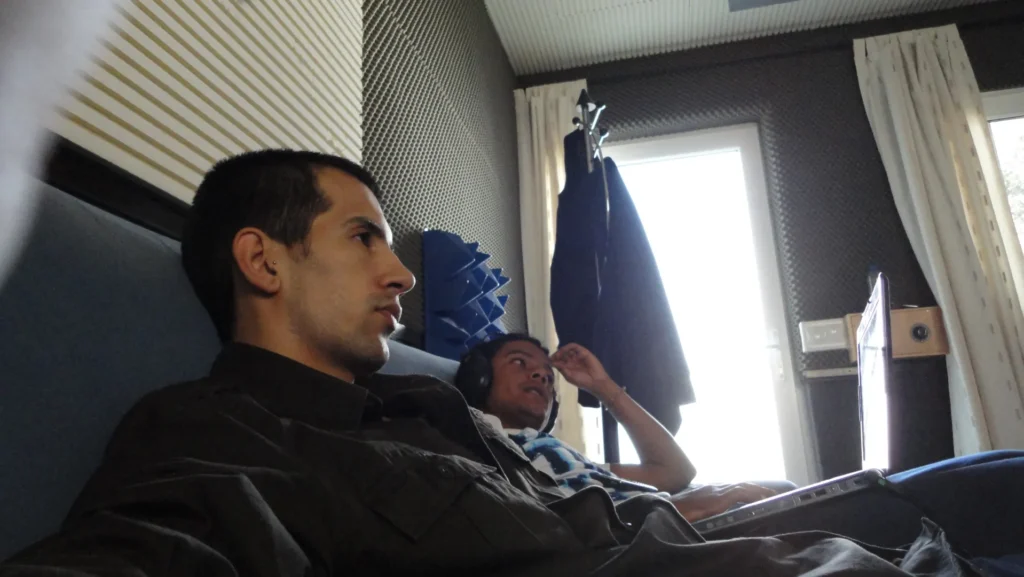
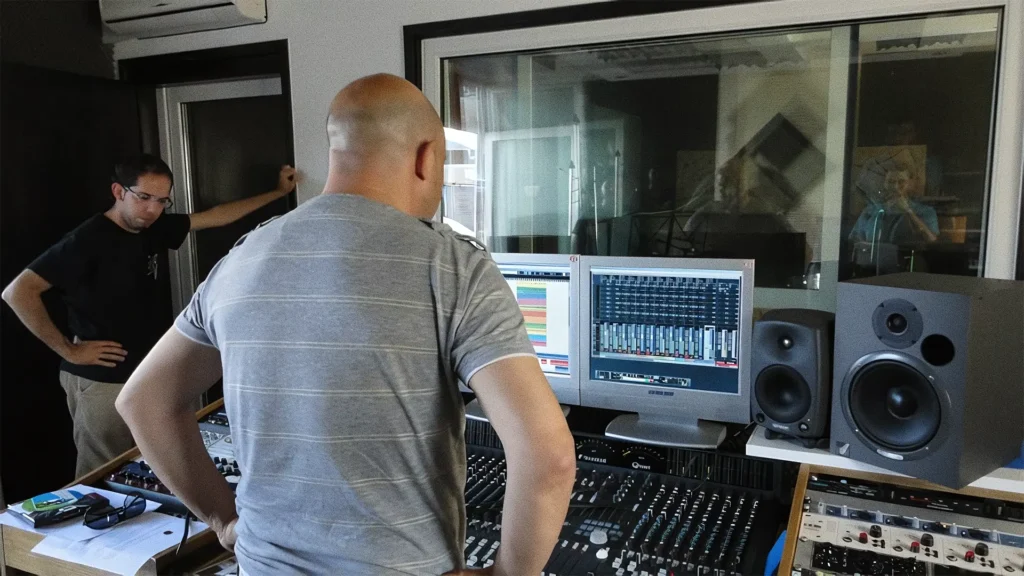
I walked into a recording studio for the first time at Audioplay Studios - not as an engineer, but as a rapper recording vocals with my crew NAD. Watching the session unfold from the other side of the glass changed something in me. I didn't know it yet, but that room was where this all began.
With thanks to NAD, Audioplay, Jimmy Rocha and Lino Vinagre.
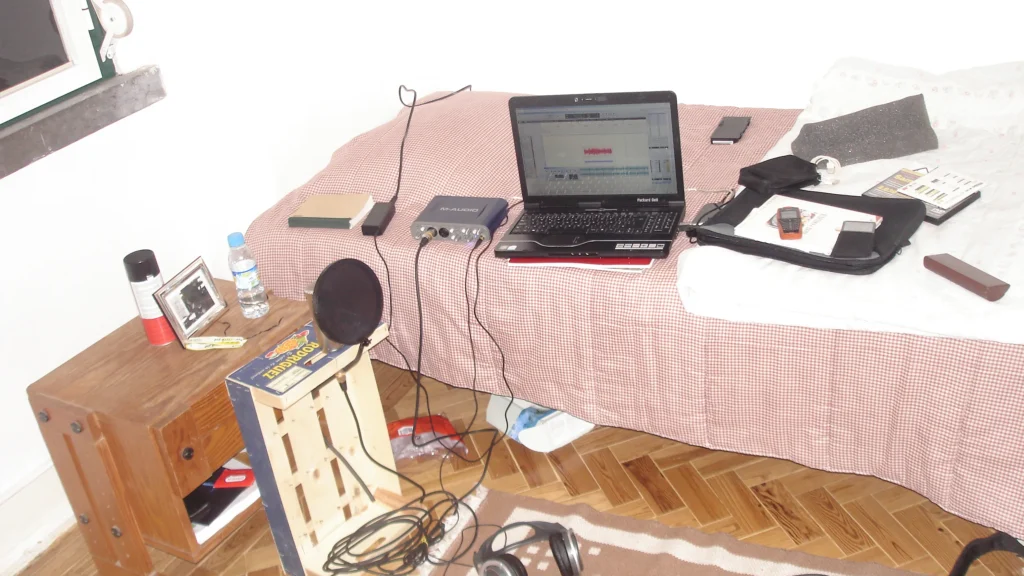
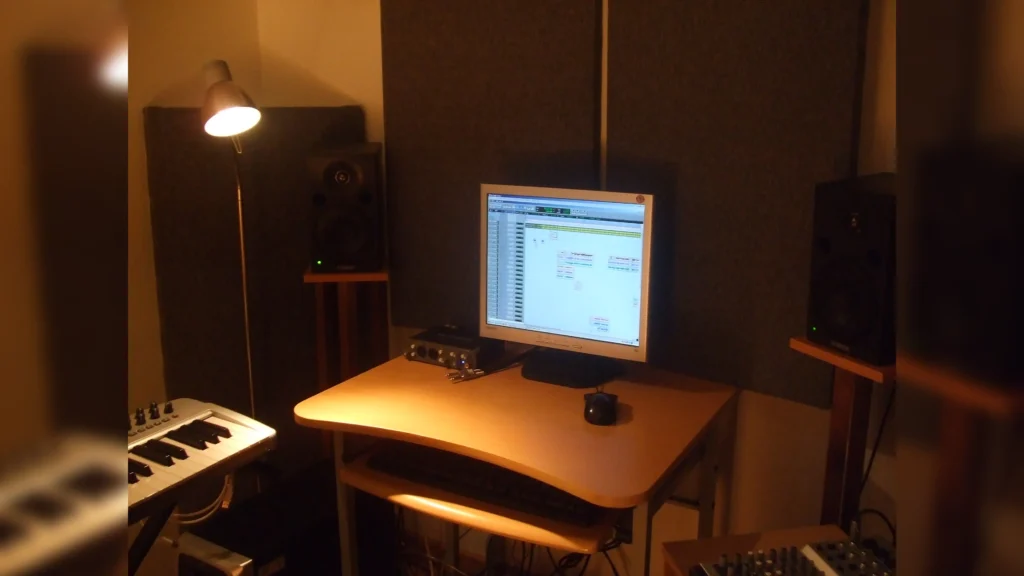
After finishing school, I moved to Lisbon to study audio production at Restart. I set up in a rented room with a borrowed microphone - a Studio Projects B1 that Eurico was kind enough to lend me - and made my first proper recordings. It was rough, but it was real.
With thanks to Eurico Fernandes.

While still learning the craft, I had this idea of my own studio - one I knew wasn't feasible yet, but I wanted it to exist in some form. I decided it would be called Sine Factory, and that it would serve as a brand while I put in the hours working in other people's rooms. So, I drew a logo and built a first website, mostly because I wanted a proper email address and to make it feel real. Silly in hindsight, but it was the right call.


Back in Aveiro, the bedroom setup started growing into something more serious. In a moment of full-circle symmetry, I also began working at Audioplay Studios - the same place where it all started for me years earlier.

Jimmy P's "O Regresso" came out in July 2011 and kicked off a collaboration that would last nearly a decade. The 2012 single "Warrior" with Dengaz and Madkutz was the first track that generated real buzz around my work. Four albums, a couple mixtapes, and almost ten years later, that partnership shaped everything about how I approach a long-term working relationship with an artist.

Sine Factory moved into its first dedicated space - a former medical office on Rua Conselheiro Luís de Magalhães. Next door, video production studio Point of View was doing their thing. It wasn't much, but it was mine - and those four walls heard more than anyone expected. The bedroom was behind me.
With thanks to Raquele Marini, Zim and Point of View.

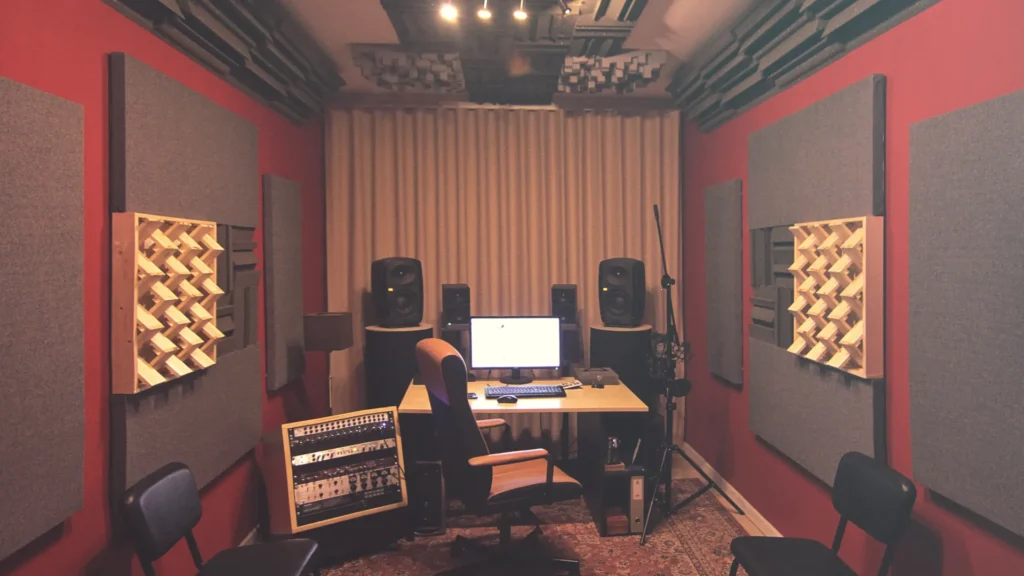
The move to Rua Eng. Von Haff was a step change - the first studio I actually designed and built with the work in mind. It sat inside SublimeVilla, an art gallery and tattoo shop, which gave the space a creative energy that felt right.


Rupert has been around longer than most - he was there at the very beginning of the band, before I even was. When it came time to finally get the logo right, there was only one person I wanted to call. He's an exceptional illustrator, he understood the brief immediately, and he turned it around faster than I had any right to expect. The result has been on everything we've made since.
With thanks to Rupert.

Demand had grown to the point where I couldn't take on everything alone. Prisma came on board to help with projects that would otherwise have had to wait. Sine Factory stopped being a solo operation - and the work was better for it.
With thanks to Prisma.
September 2018 brought the first gold-certified single - Zara G's “Chaminé”. More followed: “Entre as Estrelas” with Jimmy P and Diogo Piçarra, and “NÓS2” with Bispo and Deezy. The certifications were never the goal - but they meant the work was reaching people.

In 2023 Sine Factory was mentioned in “Hip Hop Tuga - Quatro Décadas de Rap em Portugal” by Ricardo Farinha. Seeing the studio's name in the written history of Portuguese hip hop was one of those moments that puts a decade of work into perspective.
With thanks to Ricardo Farinha.

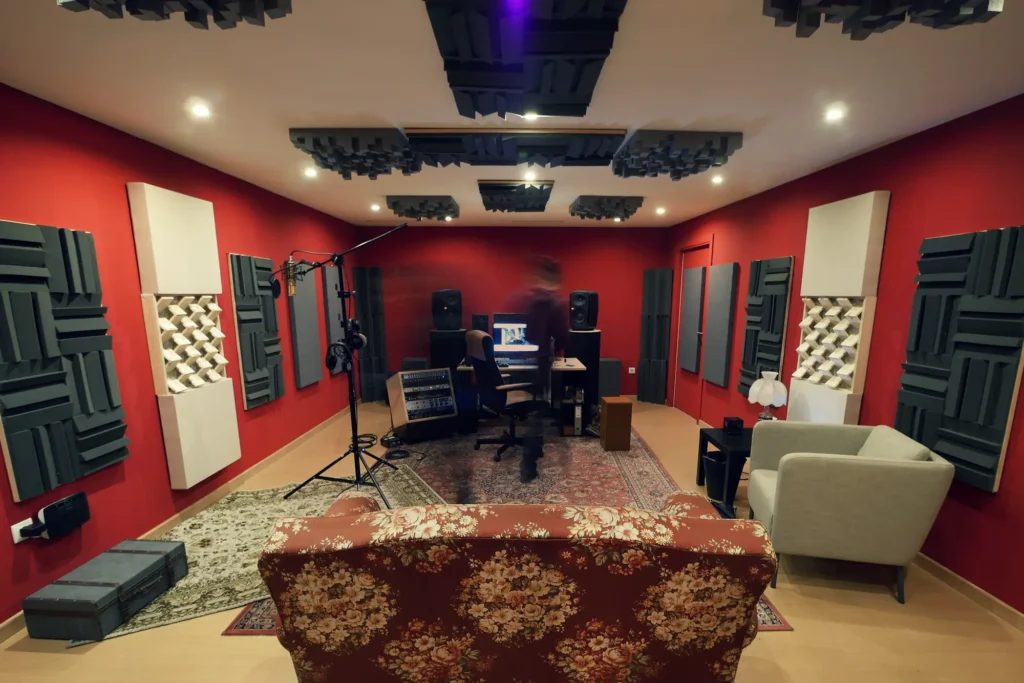
The catalog crossed one billion streams. I also gave the studio a visual refresh that year - new space, new energy. The number is a milestone, but what it really represents is the sum of a lot of late nights, a lot of trust from artists, and a lot of care put into every session.